
The Creative Tapestry of Arts and Writing
Creativity knows no bounds, and the world of arts is a vibrant tapestry of connected artistic disciplines and creative pursuits. Writing, as one of the most expressive art forms, naturally intertwines with other styles and mediums. In this article, we’ll explore the beautiful ways writing crosses paths with various artistic ventures, showing how they inspire, complement, and lift each other across different forms and cultural traditions.
Writing and Visual Arts
Writing and visual arts share a special bond rooted in storytelling and expression. Just as words can paint vivid pictures in the reader’s mind, visual arts use brushstrokes, shapes, and colours to convey meaning and emotion. Writers often find inspiration in visual artworks—be it a painting, sculpture, or photograph—using descriptive language to bring these images to life on the page. By describing the details of a masterpiece or weaving stories around images, writing deepens our experience of visual art and invites us to look beyond the surface.
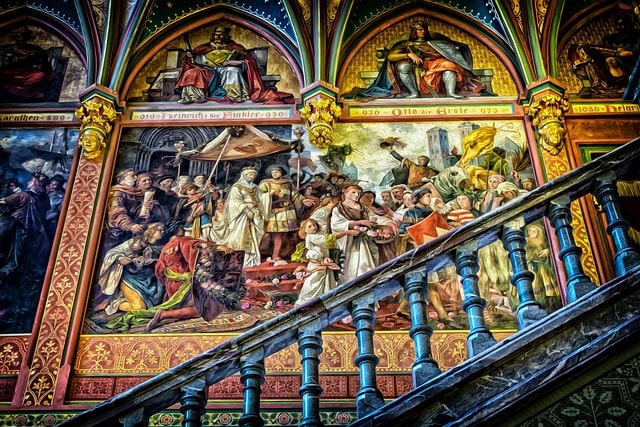
On the flip side, visual artists often turn to literature and written stories for themes, symbols, or narratives to incorporate into their creations, blending different creative forms naturally. This back-and-forth between writing and visual arts has grown over centuries, reflecting a shared goal: to communicate ideas, stir emotions, and connect with audiences. You can see this relationship in countless examples found in national galleries and museums around the world.
The Development and Definition of Arts
At its core, the arts are about communication, and writing captures this beautifully by putting human thought and imagination into words. The arts have evolved over centuries, with writing playing a key role in recording, interpreting, and shaping artistic movements and cultural traditions. Understanding what art truly means involves recognising writing as both a standalone creative form and a foundation that supports other artistic disciplines.
Writing tells stories, shares emotions, and conveys ideas, complementing visual, performing, and other creative expressions. This broad view includes traditional arts like painting, sculpture, and drawing, as well as modern forms such as film and graphic design, all of which often depend on written narratives or scripts. The principles behind these arts involve not just skill but also creativity and cultural meaning—qualities that writing shares as it continues to inspire and influence artistic expression.
Art History and Its Significance
Writing is essential to art history, serving as the way we record and analyse how the arts have developed across different times, cultures, and places. Through written texts, critiques, and historical accounts, writing preserves the stories behind artworks and the worlds they came from. Major events like the world wars, which deeply shaped artistic themes and expression, are documented and explored through written history, helping us understand the arts’ place in society.
For instance, the changes in artistic styles during the 20th century and the rise of modern movements are richly detailed in writing, offering insights into how artists and audiences related to each other. Iconic works like the Mona Lisa have become cultural symbols partly because of the wealth of writing around them, studied in museums and galleries worldwide. So, writing not only supports art history but also helps us appreciate the skill, creativity, and cultural background behind artworks.
The Role of Artisans and Materials
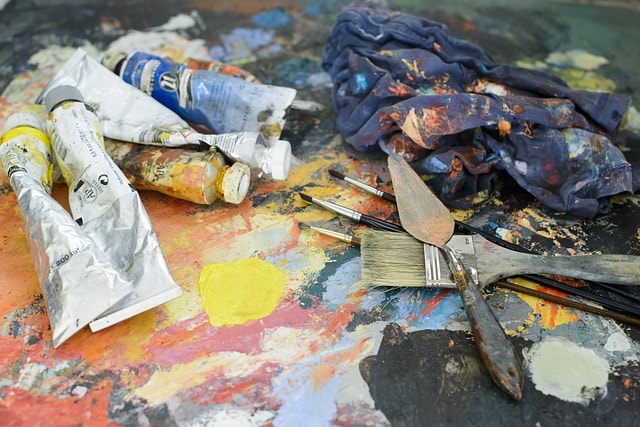
Writing also complements the work of artisans by capturing the techniques, materials, and processes they use to create art. Skilled craftspeople bring artistic visions to life with their mastery of materials like wood, stone, and metal. Writing records these methods and traditions, preserving knowledge that might otherwise be lost and allowing future generations to learn and innovate.
Whether describing delicate wood carvings or grand sculptures, writing acts as a bridge between the physical art objects and the ideas they represent. This connection highlights the importance of both creativity and technical skill in making admired and valued works, showing how writing plays a vital role in the wider arts world.
Promoting Arts and Cultural Heritage
Writing plays a crucial role in promoting the arts and preserving cultural heritage by sharing the stories behind artistic creations and the communities that make them. Museums, galleries, and cultural institutions rely on written materials—like catalogues, exhibition texts, and educational resources—to explain the significance of artworks to a wide audience.
By discussing artistic principles, cultural values, and historical contexts, writing encourages ongoing exploration and appreciation of the arts. It supports creative efforts through advocacy and scholarship, helping societies protect their heritage and inspire future generations to engage with creativity. Writing, then, does more than document; it actively promotes the imagination, skill, and cultural conversations that define the arts worldwide.
Writing and Music
The link between writing and music is clear. Lyrics are a form of writing closely tied to melody and rhythm. Songwriters are storytellers who share feelings and tales through music. Meanwhile, writers often find inspiration and comfort in music. A song’s mood, its words, or the life story of a musician can spark ideas for stories, poems, or essays, showing how artistic styles influence one another across disciplines. This connection highlights how different creative fields nurture imagination and cultural expression.
Writing and Film/Screenwriting
Writing and film go hand in hand in storytelling. Screenwriters craft scripts that form the backbone of a film’s story, shaping dialogue, characters, and scenes. Novelists and short story writers sometimes see their works adapted into movies, reaching a bigger audience. This partnership between writing and film shows the power of imagination and storytelling across many creative forms. Film, as a modern art, blends writing with visuals and sound to create immersive experiences that captivate viewers.
Writing and Theatre
Theatre is another space where writing shines. Playwrights bring characters, dialogue, and plots to life on stage. Writing for theatre requires a special understanding of dramatic structure and the energy of live performance. Theatre lovers appreciate the craft of the written word, knowing how vital the script is to creating memorable plays and supporting cultural traditions. This form of creative expression has existed for centuries and continues to grow with fresh ideas and approaches.
Writing and Photography
Writing and photography share a close bond through storytelling. Captions, photo essays, and travel stories blend pictures with words to add richer meaning to photos. Likewise, writers often draw inspiration from photographs, using them as prompts to create stories, poems, or vivid descriptions, mixing techniques from both arts to engage readers. This combination of visual and written expression enhances the feeling and space each work conveys.
Writing and Graphic Design
Graphic design and writing come together in many forms of visual communication. Whether designing book covers, infographics, or marketing materials, graphic designers rely on words to complement their visuals. Good typography and layout boost the impact of written content, showing the close relationship between writing and graphic design as creative partners. This teamwork helps create compelling objects and experiences that are both admired and practical.
Writing and Dance
Though it might seem unexpected, dance and writing connect through dance reviews and choreography. Dance critics use words to capture the spirit of a performance, describing movement, feelings, and artistic expression. Choreographers often use written stories or themes to imagine and create dance pieces, showing how words and movement come together in the performing arts. This creative practice highlights how writing supports other forms of storytelling in three dimensions.
Writing and Culinary Arts
The culinary arts and writing meet in food writing and cookbooks. Food writers skilfully describe tastes, smells, and the cultural meaning of dishes, bringing sensory experiences to life for readers. Cookbooks depend on clear recipes and explanations to guide cooking. Writing raises the art of cooking by adding stories and depth to culinary traditions, reflecting culture and creativity.
Conclusion
Writing is a lively and versatile creative form, and its connections with other artistic fields are both inspiring and endless. Whether through visual arts, music, film, theatre, photography, graphic design, dance, or cooking, writing finds its place as a way to express, tell stories, and inspire. This creative blending reminds us of the universal power of storytelling and the lasting magic of words to connect and uplift the human spirit. As creators, we have the joy of exploring and celebrating these artistic links, opening new paths that enrich our creativity and cultural heritage. Discover more about these arts and their histories in galleries, museums, and collections worldwide.
Ready to spark your creativity? Dive into one of our courses today!