
Poetry about societal change has long been a powerful tool for human beings to express deep emotions, articulate social and political views, and inspire change. By using verse to address and influence social issues, poets have played a pivotal role in shaping society and raising awareness about significant problems. The written word, with its unique ability to capture the emotional depth and complexity of the human condition, serves as a mirror reflecting the diverse experiences and perspectives of different communities.
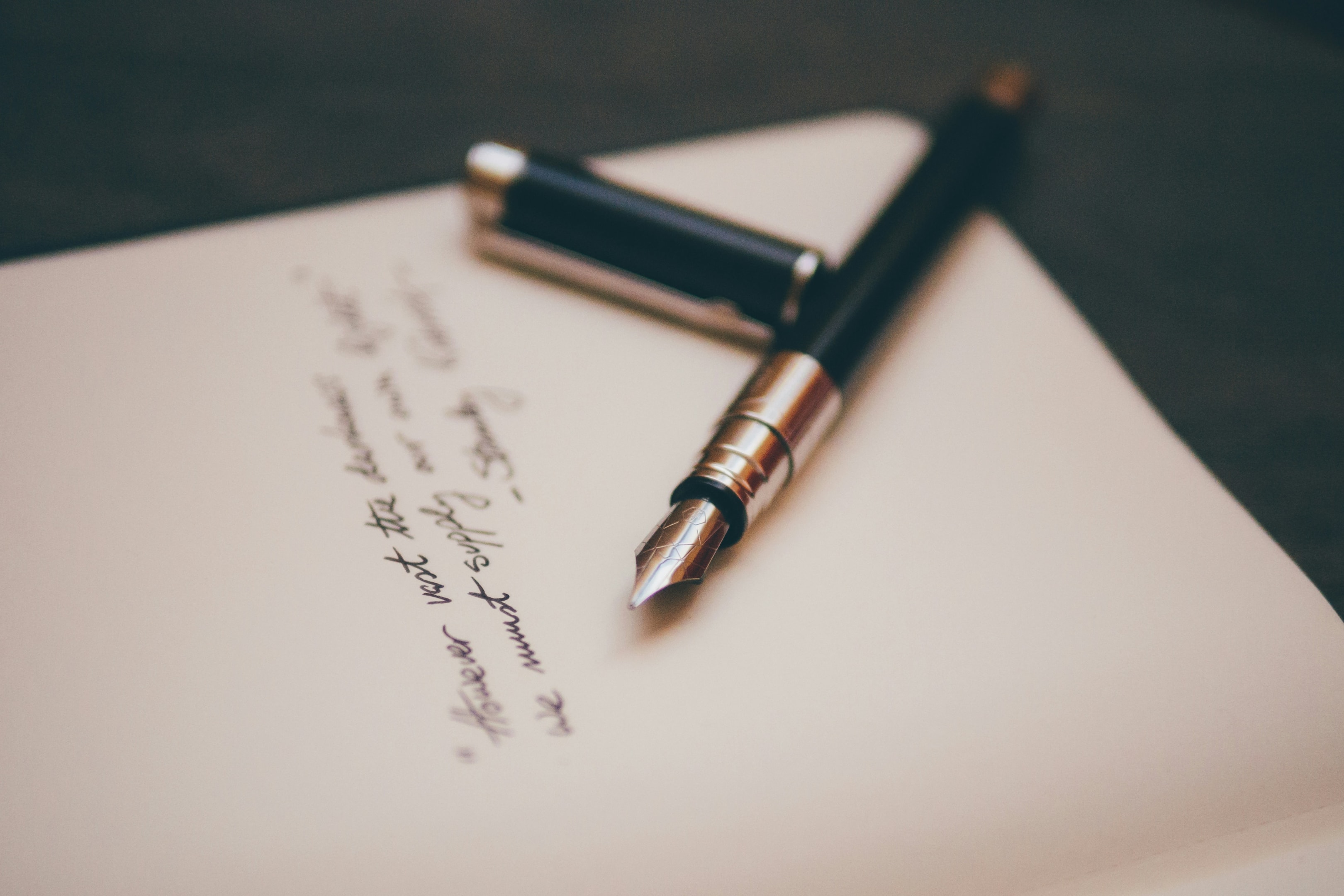
The Art Form of Poetry in Societal Change
Poetry, as an art form, has evolved over centuries, embracing various styles and forms. From the structured sonnets of Shakespeare to the free verse of contemporary poets, poetry offers a flexible medium to explore the inner life of individuals and society. Free verse, characterised by its lack of a consistent metre or rhyme scheme, allows poets to experiment with language and form, creating vivid imagery and emotional resonance. This form of poetry can capture the rhythm of everyday speech, making it accessible and relatable to readers from all walks of life.
Historical Context and Social Injustice in Poetry
Throughout history, poets have responded to social and political issues with powerful verse. Langston Hughes, a prominent figure in the Harlem Renaissance, used his poetic voice to highlight the struggles and aspirations of Black Americans. His poems, such as “Let America Be America Again,” vividly detail the quest for equality and justice during the civil rights movement, challenging the status quo and inspiring future generations to continue the fight against social injustice. These poems reflect the enduring spirit of resistance and hope.
Similarly, Walt Whitman, often hailed as the father of free verse, celebrated the working class and the common man in his seminal work “Leaves of Grass.” Whitman’s poetry reflects his belief in the inherent dignity of every individual and his vision of a more inclusive and equitable society. His vivid images of American life and his profound empathy for the marginalised have left a lasting impact on the literary world and beyond.

Poetry as a Reflection of Personal and Collective Experiences
Poetry has a special way of capturing personal experiences while also speaking to bigger social issues. These poems give readers a window into the poet’s inner world, stirring up memories and feelings that might have been tucked away. This connection shows just how powerful words can be, reaching across time and space to build a sense of community and shared humanity.
In a world where social media and quick digital interactions often take center stage, poetry about social change offers a much-needed pause. It invites readers to slow down and really feel the language, exploring the subtle emotions and experiences that make us human. By zooming in on small moments and vivid details, poets create lasting images that touch the soul and encourage us to think deeply about our own lives and the world around us.
The Role of Literary Devices in Poetry About Societal Change
The use of literary devices such as metaphor, simile, and alliteration enhances the emotional and intellectual impact of poetry. These tools help poets convey complex ideas and emotions with clarity and precision, leaving a lasting impression on readers. For instance, the use of stressed and unstressed syllables in metre can evoke a musical quality, adding aesthetic appeal and emotional depth.
In social issue poetry, literary devices are crucial in emphasising protest, truth, and societal challenges, inspiring change. Poets like Lord Tennyson use vivid imagery and symbolism to explore the human condition and societal struggles. His poem “Ulysses,” for example, delves into themes of perseverance, desire, and the search for meaning, resonating with readers facing similar challenges.
Poetry Therapy and Emotional Healing Through Verse
Beyond its aesthetic and intellectual contributions, poetry also has therapeutic potential. Poetry therapy, a form of expressive arts therapy, harnesses the healing power of the written word to help individuals process and articulate their emotions. By writing poetry, individuals can explore their feelings, confront fear and hope, and gain insights into their inner lives. This therapeutic process can lead to emotional healing and personal growth, offering a sense of catharsis and empowerment.

Cultural Heritage, Nature, and the Preservation of Traditions in Poetry
Poetry also serves as a repository of cultural heritage, preserving the traditions and stories of different communities. In East Asia, for example, classical poetry has played a significant role in shaping cultural identity and social values. Poets from this region have used verse to capture the beauty of nature and the natural world, the intricacies of human relationships, and the philosophical questions that have preoccupied societies for centuries.
By passing down selected poems from one generation to the next, cultures maintain a connection to their past while also inspiring new interpretations and adaptations. This continuity ensures that the wisdom and insights of previous generations remain relevant and accessible to future generations, fostering a sense of continuity and shared heritage.
Inspiring Change Through Poetry
One of the most profound ways that poetry can impact society is by inspiring change. Poets who address social and political challenges in their work have the power to influence public opinion and mobilise action. Through their writing, they can shine a light on injustices, advocate for marginalised communities, and challenge readers to reconsider their assumptions and beliefs.
In San Francisco, a city known for its vibrant literary scene, poets have long been at the forefront of social movements. From the Beat Generation poets like Allen Ginsberg, who used their work to critique the materialism and conformity of the 1950s, to contemporary spoken word artists who address issues such as racism, gender inequality, and environmental justice, poetry has remained an integral tool for social activism.
The Impact of Individual Poets on Social Change
Individual poets can have a significant impact on society through their work. Langston Hughes and Walt Whitman, as mentioned earlier, are prime examples of poets who used their voices to advocate for social change. However, there are countless other poets whose contributions have also been pivotal, including Claude McKay, Danez Smith, Gwendolyn Brooks, and Layli Long Soldier.
For instance, the poetry of the working class often captures the struggles and resilience of individuals facing economic hardship and social marginalisation. Such poets, through their authentic and often raw depictions of life, offer a counter-narrative to the dominant cultural narratives, highlighting the resilience and dignity of those who are often overlooked.

Writing as a Form of Activism in Poetry
Writing poetry can be a powerful form of activism, allowing individuals to express their ideas, emotions, and aspirations in a way that can resonate with others. By crafting poems that address social issues, poets can contribute to a larger conversation about justice, equality, civil rights, and human rights. This form of creative expression not only allows poets to voice their own concerns but also provides a platform for others to see their own experiences reflected in the written word.
Poetry’s ability to evoke deep emotions and connect with readers on a personal level makes it an effective medium for inspiring empathy and understanding. By sharing their own writing, poets can foster a sense of solidarity and community, encouraging others to join in the protest for a more just and equitable society.
The Best Poems That Reflect Societal Change
Among the best poems that reflect societal change are works that capture the glory and fire of human spirit at the beginning of transformative movements. These poems often use the natural world as a symbol of renewal and growth, inspiring readers who may feel afraid to take action. Such poetry prompts readers to embrace hope and courage, highlighting the power of verse to lead social change.
The Future of Poetry in Today’s Society
In today’s fast-paced and often fragmented society, poetry continues to hold a unique and vital place. As technology and social media change the way we communicate and consume information, poetry offers a space for contemplation and emotional connection. Its brevity and intensity make it well-suited to the digital age, where readers can encounter and engage with poems in a matter of moments.
Moreover, the accessibility of online platforms has democratised the dissemination of poetry, allowing voices from diverse backgrounds to be heard. Poets from marginalised communities can share their work with a global audience, raising awareness about social issues and fostering a sense of global solidarity. This increased visibility has the potential to challenge dominant narratives and promote a more inclusive and equitable literary landscape.

Conclusion
Poetry, with its ability to capture the human condition in all its complexity, remains a powerful tool for addressing and influencing social issues. Through the use of vivid imagery, literary devices, and emotional depth, poets can create works that resonate with readers on a profound level, inspiring empathy, reflection, and action. By writing poetry that reflects personal and collective experiences, poets contribute to a larger conversation about social justice, cultural heritage, and the human experience.
Incorporating historical and contemporary examples, such as the works of Langston Hughes, Walt Whitman, Lord Tennyson, Claude McKay, Danez Smith, Gwendolyn Brooks, and Layli Long Soldier, we see how poetry has the power to challenge the status quo and inspire societal change. Whether through the therapeutic benefits of poetry therapy, the preservation of cultural traditions, or the activism of poets addressing social and political issues, poetry continues to play a significant role in shaping society and influencing future generations.
As we navigate the complexities of today’s society, the written word remains a powerful medium for expressing deep emotions, exploring diverse perspectives, and advocating for a more just and equitable world. By embracing the art form of poetry and recognising its potential to inspire change, we can continue to harness the power of verse to address the pressing social issues of our time.
Feeling inspired? Join one of our Writing Courses! and start creating powerful poetry that inspires and connects.