
Understanding how tension is used in horror stories is key for any writer wanting to craft chilling tales that truly grip and scare readers. Tension is like the heartbeat of horror—the invisible thread that keeps people on edge, waiting nervously for the next scare or unsettling twist. In this article, we’ll explore how tension is used in horror stories and the techniques and elements that build tension in horror stories, from pacing and atmosphere to character development and suspense, helping you master the craft of writing truly spine-tingling scary stories.
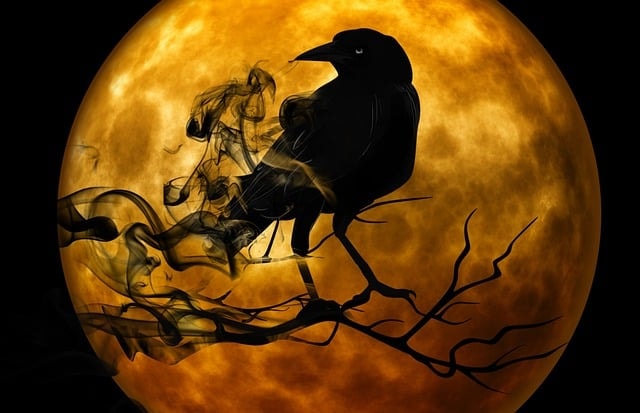
Crafting Chilling Narratives in Horror Novels and Films
Horror writing, an intricate blend of tension and fear, seeks to unearth our deepest fears and present them in a chilling narrative that grips the reader’s imagination. The horror genre, rich in diversity, ranges from psychological horror to body horror, cosmic horror to ghost stories. In this blog, we delve into the nuances of crafting a horror story that leaves an indelible mark on your audience, exploring the art of building tension and suspense to evoke terror and tap into primal fears.
The Essence of Horror Writing and Horror Film
At the core of effective horror writing and horror film is the ability to evoke fear through a carefully crafted narrative. The horror genre thrives on the primal fears embedded in the human psyche, fears that are often universal and timeless. A good horror story taps into these fears, drawing readers and viewers into a chilling world where the lines between reality and the supernatural blur.
Writers and filmmakers, whether seasoned or aspiring, must understand the importance of building tension and fear in their narratives. This involves a careful balance of plot structure, character development, and sensory details to create a dread that lingers long after the story or film concludes. By exploring the human emotions and internal struggles of their characters, creators can craft believable characters who resonate with their audience.
Developing a Spine-Tingling Narrative to Build Atmosphere and Keep Suspense Alive
Horror involves more than just inserting frightening situations into a story or film. It’s about weaving a chilling narrative that gradually builds suspense and keeps readers and viewers guessing. Shirley Jackson’s “The Lottery” and Stephen King’s works are prime examples of how subtle hints and quiet moments can produce a creeping sense of dread that is far more effective than overt scares or jump scares.
To write horror effectively or build suspense in horror films, it’s crucial to focus on the setting and atmosphere. Descriptive language and sensory details can transport readers into the haunted house or eerie silence of your setting. This vivid imagery, combined with the careful pacing of events, often at a slow pace, helps tension escalate as the story progresses.
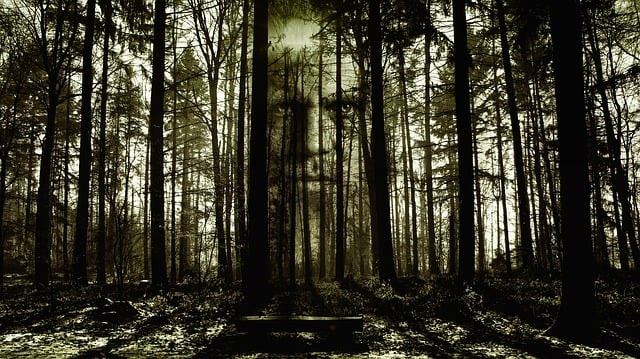
Plot Twists, Withholding Information, and the Unseen Presence
A hallmark of compelling horror stories and horror novels is the unexpected twists that keep readers on the edge of their seats until the very end. Plot twists, when executed well, can transform a seemingly ordinary narrative into a harrowing journey of fear and suspense. The elements of surprise and withholding information are crucial in horror storytelling, as they disrupt the reader’s or viewer’s perception of safety and predictability.
An unseen presence, whether it’s a ghost or a malevolent entity, can heighten the fear factor in a story or film. This technique taps into the fear of the unknown, a common fear that resonates deeply with readers and audiences. By suggesting an unseen presence through subtle foreshadowing and sensory details, creators evoke a sense of dread that is both tangible and psychological.
The Human Psyche, Existential Dread, and Stakes
Psychological horror, a subgenre that delves into the complexities of the human psyche, explores the fears and anxieties that lie within. This type of horror often focuses on the internal struggle of the main character, highlighting their deepest fears and vulnerabilities. By exploring the dark recesses of the mind, horror writers and filmmakers produce a chilling world that is both relatable and terrifying.
Existential dread, another potent theme in horror writing and films, taps into the fear of the unknown and the futility of human existence. Lovecraftian horror, with its cosmic horror elements, is a prime example of how the fear of the incomprehensible can evoke a profound sense of unease. This type of horror challenges the reader’s or viewer’s perception of reality, generating a sense of dread that is both intellectual and visceral.
Setting affect and stakes are essential to build tension and anticipation. When readers or viewers understand what is at risk, the tension and suspense become more intense, making the horror experience more immersive. The ticking clock of impending doom is often used to heighten this tension, reminding audiences that time is running out and something terrible will soon happen.
Building Tension and Suspense to Keep Readers Engaged
Building tension and suspense is essential to any good horror story or film. This involves a careful balance of pacing, plot structure, and sensory details to keep readers and viewers engaged. The pacing of a horror story or movie should be deliberate, with moments of quiet tension interspersed with bursts of action and fear. This contrast creates a rhythm that keeps the audience on edge, anticipating the next scary scene or jump scare.
Suspense is also built through the use of subtle foreshadowing and unreliable narrators. By planting subtle hints and red herrings throughout the narrative, writers and filmmakers develop a sense of dread that builds gradually. An unreliable narrator can add to the tension by making readers or viewers question the reality of the events unfolding, heightening the overall sense of unease.
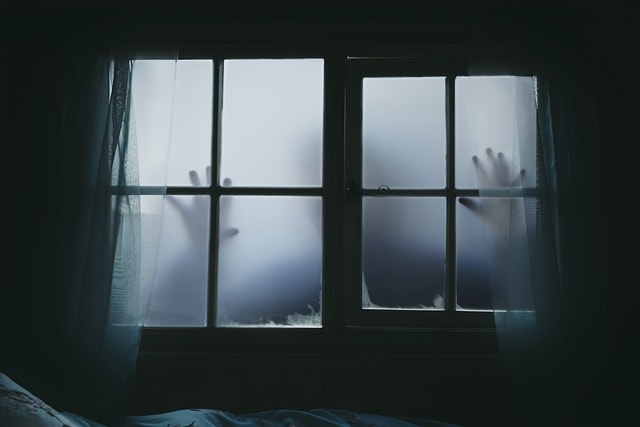
Creating Believable Characters in Horror Stories and Films
Believable characters are the backbone of any horror story or horror film. Without well-developed characters, the horror elements can feel hollow and unconvincing. Horror creators must delve into the human nature of their characters, exploring their fears, motivations, and internal struggles. This depth of character development forms a connection between the audience and the characters, making the horror more impactful.
The main character, often the focal point of the horror, should be relatable and multi-dimensional. Their journey through the horror narrative should be one of growth and transformation, as they confront their own fears and the external threats they face. This harrowing journey not only drives the plot forward but also adds emotional depth to the story, reflecting the complexities of life and the human condition.
The Role of Sensory Details and Music in Horror
Sensory elements play a crucial role in horror writing and filmmaking, as they offer a vivid and immersive experience for the audience. By describing or showing the sights, sounds, smells, and textures of the setting, creators transport readers and viewers into the chilling world of their story. This sensory immersion heightens the fear factor, making the horror more immediate and visceral.
For example, describing the creaking of a floorboard, the flickering of a candle, or the faint scent of decay can evoke a creeping sense of dread. Similarly, music and sound design in horror films build atmosphere and tension, using silence and sudden loud noises to produce surprise scares and anticipation.
Overcoming Writer’s Block and Challenges in Horror Writing
Writer’s block is a common challenge for horror writers, as the process of crafting fear-inducing narratives can be mentally and emotionally draining. Overcoming writer’s block involves finding fresh perspectives and new sources of inspiration. Reading a variety of horror stories, from classic tales to contemporary works, can spark new ideas and approaches to horror storytelling.
Engaging in creative writing exercises, such as writing short stories or exploring different horror elements, can also help overcome writer’s block. By experimenting with different themes, settings, and characters, writers discover new ways to evoke fear and build suspense in their narratives.
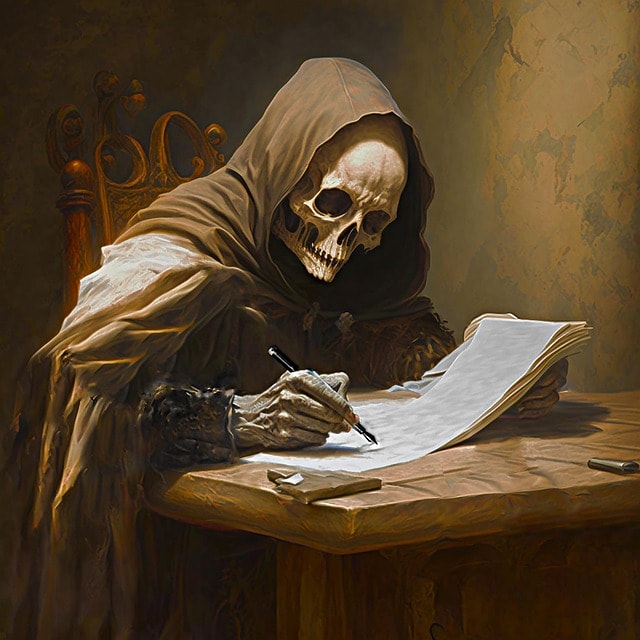
Mastering the Art of Creating Tension in Horror Stories
The journey of mastering how tension is used in horror stories is one of continual growth and exploration. From building tension and suspense to crafting believable characters and vivid settings, horror writing and filmmaking involve a delicate balance of creativity and psychological insight. By tapping into the primal fears and deepest anxieties of their audience, creators produce narratives that leave a lasting impact.
Whether you are a seasoned horror writer or filmmaker or just beginning your journey, understanding the nuances of horror storytelling is essential. By honing your skills and exploring the rich tapestry of the horror genre, you can write scary stories that not only evoke fear but also resonate with the very essence of the human experience. Embrace the power of the unseen, the subtle, and the psychological to craft narratives that captivate and terrify your readers and viewers alike.
As the spooky season approaches, now is the perfect time to put these techniques into practice and watch your own chilling tales come to life. Remember, the scariest thing about horror is not always what you see on the screen but what lurks in the shadows of your imagination, waiting to happen.
Ready to start your writing or filmmaking journey? Sign up for one of our Writing Courses!