
A South African poem is a profound expression of the nation’s rich history, culture, and social realities. Combining indigenous languages, colonial influences, and modern themes, it reflects the struggles, hopes, and identity of its people. More than mere art, these poems serve as a crucial voice for resistance and cultural preservation in a country shaped by a complex past and evolving present.
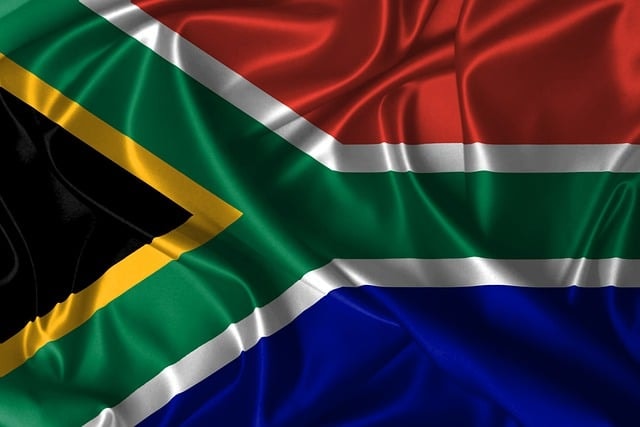
South African Literary Heritage
South Africa, known for its beautiful land and diverse cultures, has always found a powerful voice through poetry. This art form has been a critical medium for expressing political, social, and cultural identities. It is not just a reflection of the country’s past; it continues to evolve and inspire.
A Rich Literary History Rooted in Oral Traditions
Poetry in South Africa has deep roots in indigenous languages and oral traditions of its communities. Long before the written word became prevalent, poets used praise poetry, a form of oral storytelling, to convey history, heritage, and values. These poems were often performed live, creating a strong connection between words and listeners.
Praise poetry remains an important cultural practice, especially among the Zulu, Xhosa, and Sotho peoples. These works embody African languages and cultures, preserving traditions across generations. In a world where colonial languages have often dominated, indigenous-language poetry serves as resistance, reclaiming identity and maintaining links to the past.
The Impact of Colonialism and Apartheid on Poetry
The colonial era and apartheid brought significant challenges. Colonial languages like English and Afrikaans became dominant, often at the expense of indigenous tongues. Yet poets used their craft to resist and challenge oppression.
During apartheid, poetry became a tool for political and social activism. Poets such as Mongane Wally Serote, Keorapetse Kgositsile, and Ingrid Jonker exposed harsh realities and inspired resistance. Their works spoke of freedom struggles, pain, and hope. Poetry was not just art; it was a political act that gave voice to the voiceless and kept the spirit of resistance alive.
Notable South African Poets and Their Contributions
Among influential figures is Tatamkhulu Afrika, a renowned poet and playwright whose works explore suffering, identity, and hope. His collections are staples in anthologies, reflecting the nation’s complex history and spirit.
Contemporary poets like Adam Schwartzman bring unique voices through lyric styles and cultural exploration. Women poets such as Lebo Mashile and Koleka Putuma address gender, social justice, and humanity, using poetry to challenge inequality and celebrate strength.
The Resurgence of Indigenous Languages and Evolution of Poetry
In the post-apartheid era, interest in indigenous languages and literary heritage has grown. Poets increasingly use African languages, recognizing their importance for cultural preservation. This shift is about reclaiming identity and history that colonialism sought to erase.
African languages offer unique poetic expressions rooted in culture. Rhythmic patterns and tonal variations in isiZulu and isiXhosa add musicality that is both beautiful and evocative.
This evolution is reflected in first-volume publications by poets writing in indigenous languages, celebrated for artistic merit and promoting linguistic diversity. Poetry in these languages is a testament to language’s power as a tool for cultural expression.
Cape Town’s Role in South Africa’s Poetic Landscape
Cape Town has played a significant role in developing South African poetry. Its rich cultural and literary scene has produced celebrated writers and poets, attracting voices from across the country to explore ideas, connect, and share work.
The city’s university promotes poetry through media studies and literature programs, encouraging students to explore literary history and contribute to its evolution. Cape Town’s vibrant scene features live performances where poets bring words to life for engaged audiences, fostering community and celebrating diverse voices.

Themes and Styles in South African Poetry
South African poetry covers diverse themes and styles, reflecting its cultures and histories. Common themes include freedom, suffering, identity, love, and the relationship between humanity and the divine. Many poems have a lyrical quality capturing emotional depth and complexity.
Music and rhythm are integral, influenced by indigenous traditions and contemporary forms like hip-hop and spoken word. This fusion creates dynamic, powerful expression resonating locally and internationally.
Poetry as Reflection of Identity and Society
Poetry serves as a mirror to the nation’s identity and society. Writers explore heritage and culture, grappling with complexities of South African life. Whether in colonial or indigenous languages, poems offer personal and universal perspectives on challenges and triumphs.
They delve into human experience, touching on love, loss, hope, and despair. Poetry helps make sense of the world and find meaning in everyday life.
In a nation still dealing with colonial and apartheid legacies, poetry offers a way to process the past, celebrate heritage, and envision a society where all voices are heard.
Poetry Addressing Social and Political Issues
Throughout history, poetry has addressed social and political matters. During apartheid, poets challenged the regime and inspired resistance. Today, they continue to tackle issues like gender inequality, racism, and social injustice.
Poets such as Koleka Putuma and Lebo Mashile use their work to highlight these struggles, urging society toward equity. Poetry resists marginalization, asserting identity and demanding respect. It challenges dominant narratives and offers alternative perspectives reflecting South Africa’s diversity.
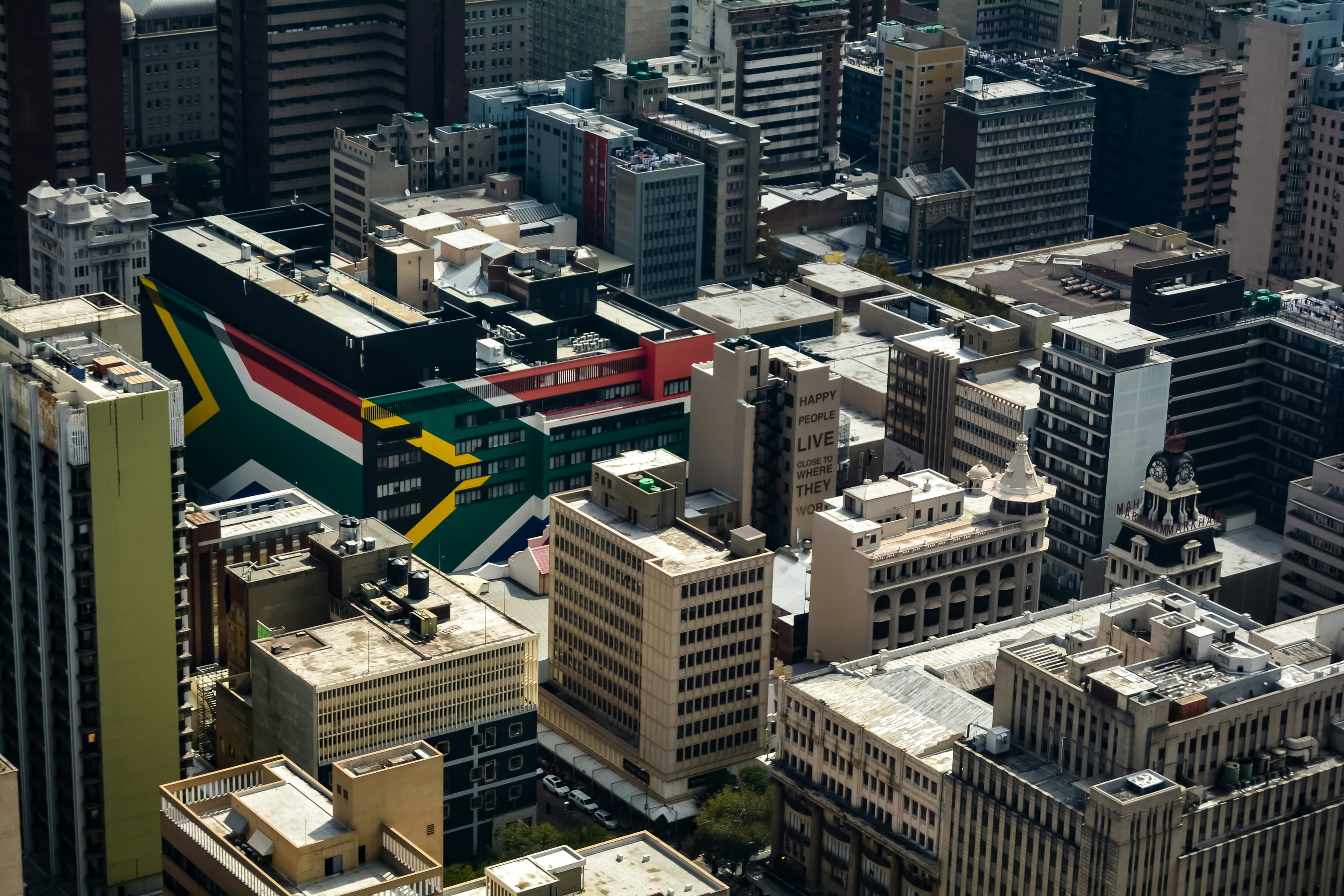
Poetry’s Importance in Contemporary Culture
This art form remains integral to South African culture, playing an important role in many lives. The literary scene is rich and diverse, with creators from all backgrounds contributing vibrancy. Through performances and publications, creative expression thrives and evolves.
Poetry also inspires hope in challenging times. From apartheid’s brutality to ongoing social justice struggles, it offers visions of a better future. Writers use their words to inspire change, give voice to the marginalized, and imagine a society where all can express themselves freely.
Beyond words on a page, poetry is about connection between creator and audience. This living tradition adapts to change, reflecting history, culture, and ongoing quests for freedom and justice.
Conclusion: The Enduring Power of South African Poetry
Reflecting on poetry’s role shows it as more than expression; it is a powerful tool for cultural preservation, social change, and reflection. From oral praise poetry to contemporary works addressing social issues, South African poetry testifies to resilience, creativity, and imagination.
Despite colonial language dominance, poets continue to resist, reclaim identity, and inspire. Whether in Cape Town or across the country, poetry remains essential to cultural fabric, reflecting history and offering hope.
Supporting and celebrating these poets ensures this rich tradition thrives, enriching culture and offering insights into the human condition. In a beautiful land with a rich literary history, poetry will always play an important role as artistic expression and a force for social change.
Ready to keep exploring the world of writing? Sign up to one of our Writing Courses!